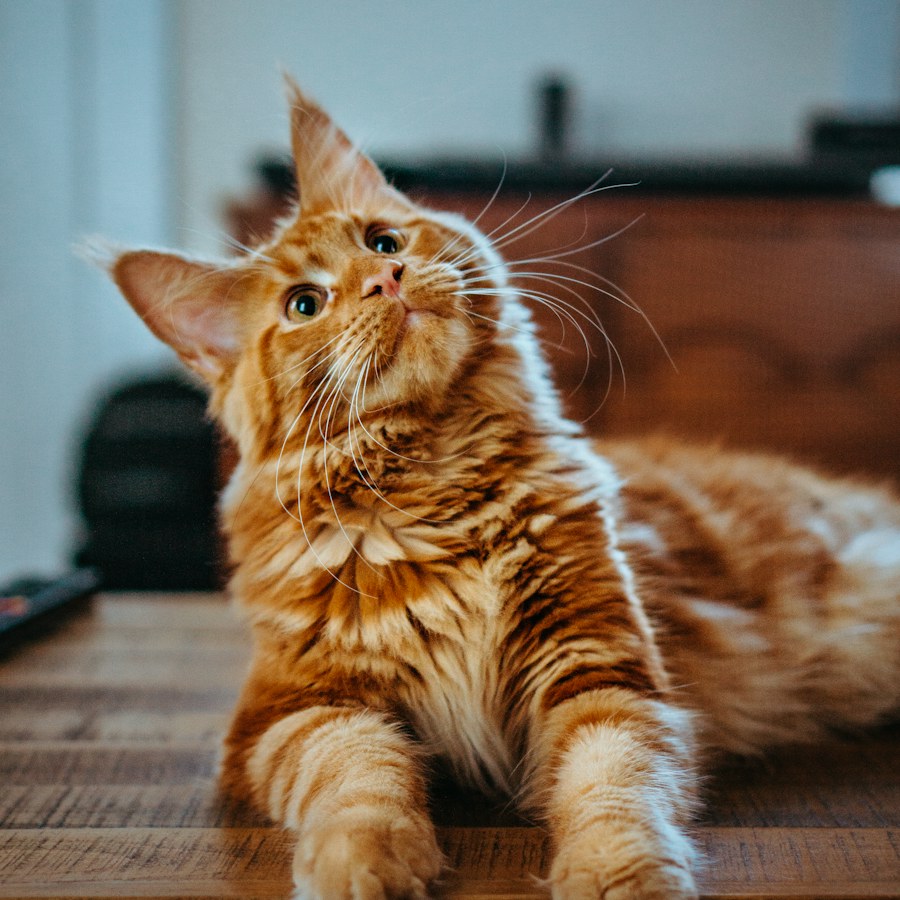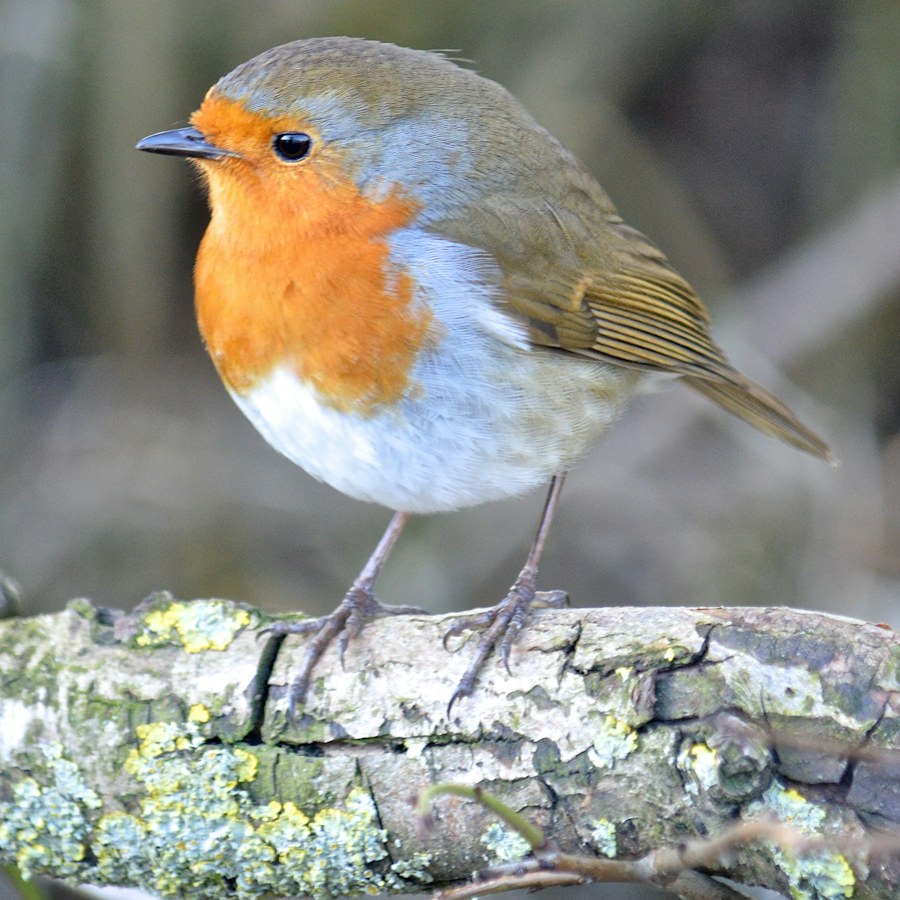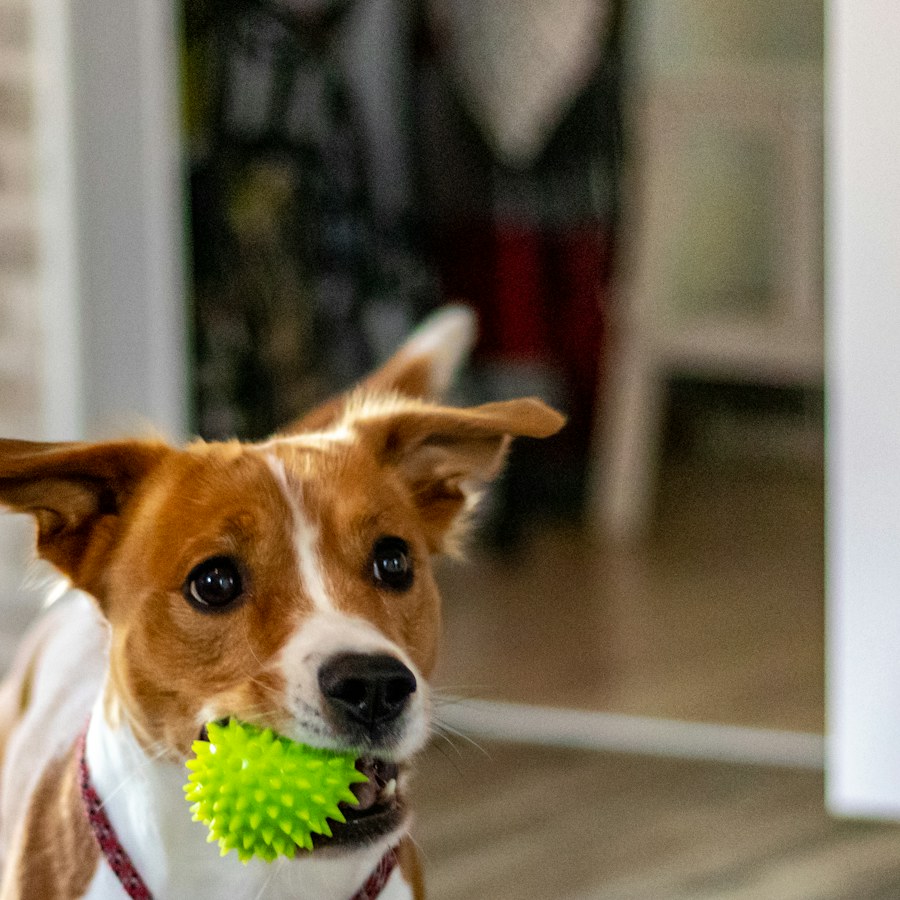
Older pets may appreciate familiar resources placed closer together and easier routes through the home. Provide a secure enclosure, species-appropriate hiding places, fresh water, and gentle handling close to the floor.
Try these practical steps
- Add non-slip rugs where floors are smooth.
- Keep beds, food, water, and litter or toileting areas easy to reach.
- Use a low step or ramp only if your pet accepts it safely.
Make the routine fit your Small pet
Start with one change at a time and keep a note of what your pet enjoys. A predictable routine should leave room for choice, rest, and a comfortable way to move away.
When to ask for help
New stiffness, changes in sleep, or difficulty with stairs deserve a veterinary check. A small pet that stops eating, becomes unusually still, or has laboured breathing needs prompt veterinary care.
These ideas are general care guidance, not a diagnosis or treatment plan. Your veterinarian can tailor advice to your pet’s age, health, and circumstances.