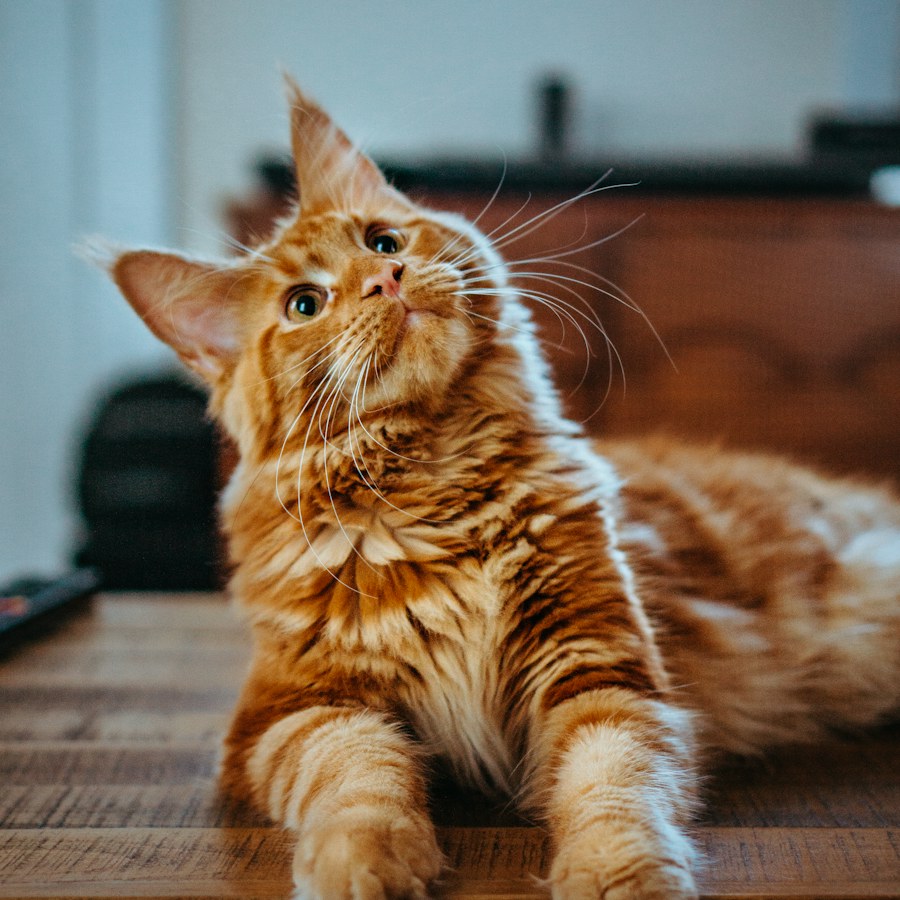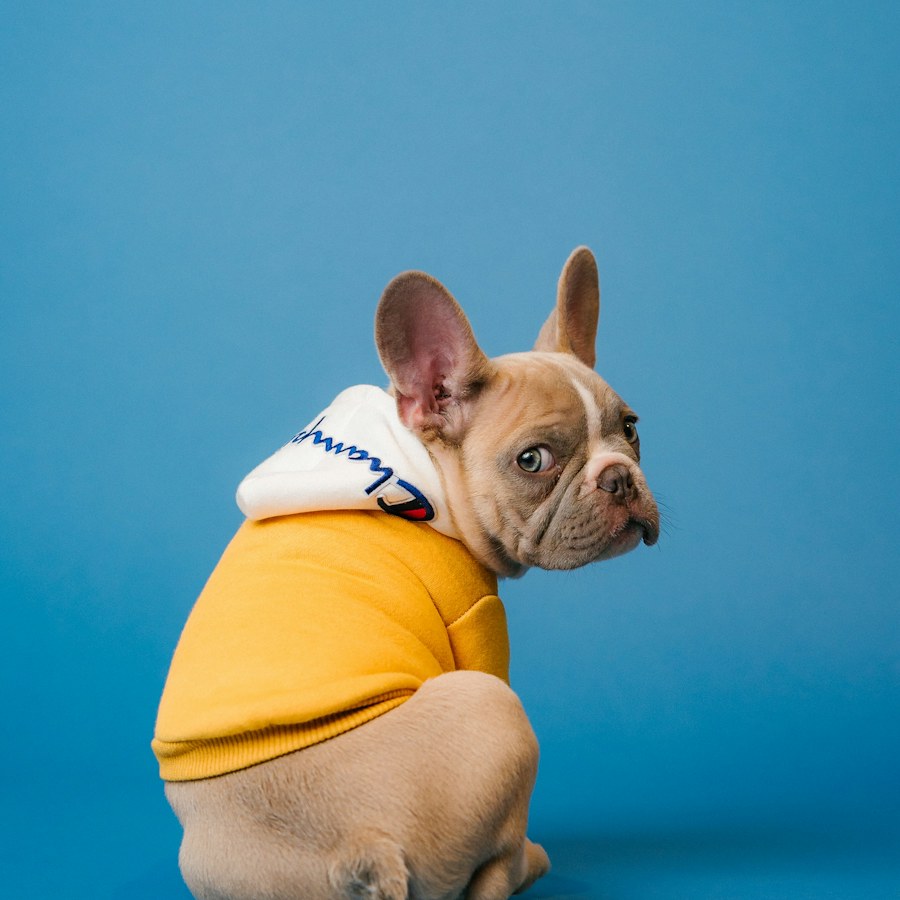
Body language is a whole picture: look at the animal’s posture, movement, face, and context together. Use short, positive sessions, reward calm choices, and keep walks on a secure lead in public spaces.
Try these practical steps
- Pause when your pet turns away, freezes, hides, or avoids contact.
- Give a clear route to a quiet space.
- Reward voluntary approaches and calm interaction.
Make the routine fit your Dog
Start with one change at a time and keep a note of what your pet enjoys. A predictable routine should leave room for choice, rest, and a comfortable way to move away.
When to ask for help
Do not punish fear signals; seek a qualified professional if handling or interactions feel unsafe. Stop if your dog is distressed, overheated, limping, or reluctant to continue; contact a veterinarian when symptoms persist.
These ideas are general care guidance, not a diagnosis or treatment plan. Your veterinarian can tailor advice to your pet’s age, health, and circumstances.