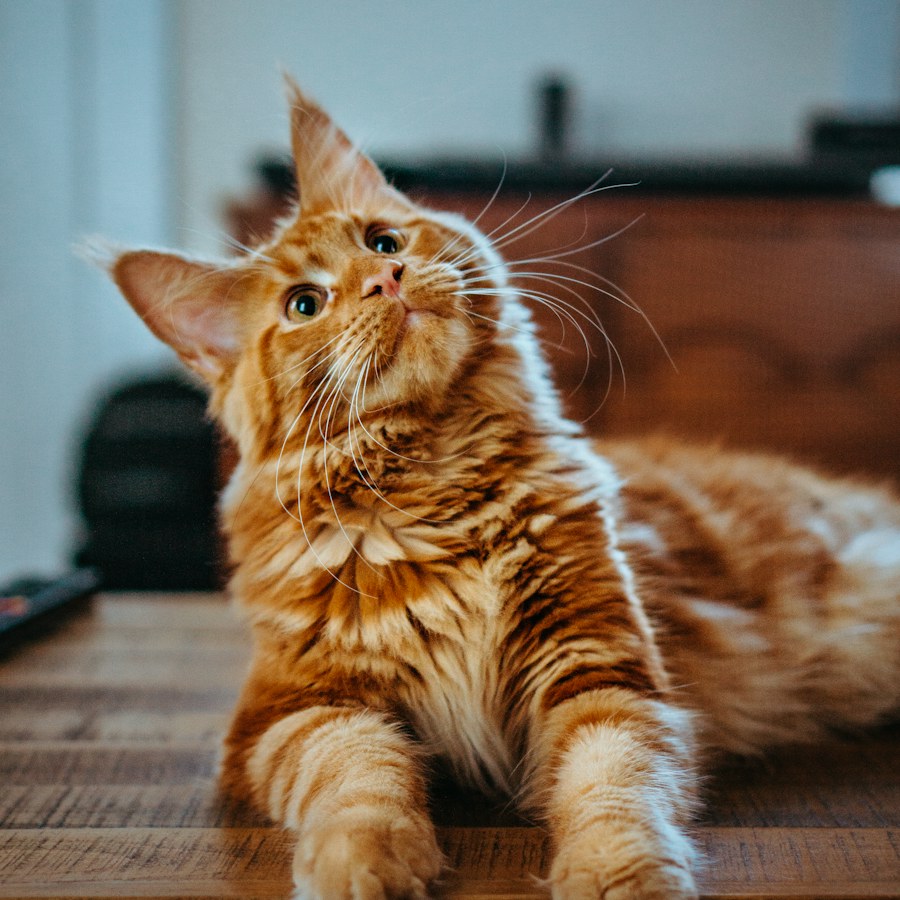
Pets explore with their mouths, paws, and beaks, so the same room can hold very different risks for different species. Offer choice, a quiet retreat, and predictable routines; let your cat approach instead of forcing handling.
Try these practical steps
- Store medicines, cleaners, cords, and small objects out of reach.
- Check windows, balcony doors, and screens before opening them.
- Keep toxic plants and unsafe foods away from pets.
Make the routine fit your Cat
Start with one change at a time and keep a note of what your pet enjoys. A predictable routine should leave room for choice, rest, and a comfortable way to move away.
When to ask for help
If you suspect a pet has eaten something unsafe, contact a veterinarian or animal poison service promptly. A sudden change in appetite, litter habits, breathing, or mobility deserves prompt veterinary advice.
These ideas are general care guidance, not a diagnosis or treatment plan. Your veterinarian can tailor advice to your pet’s age, health, and circumstances.